
Spotlight
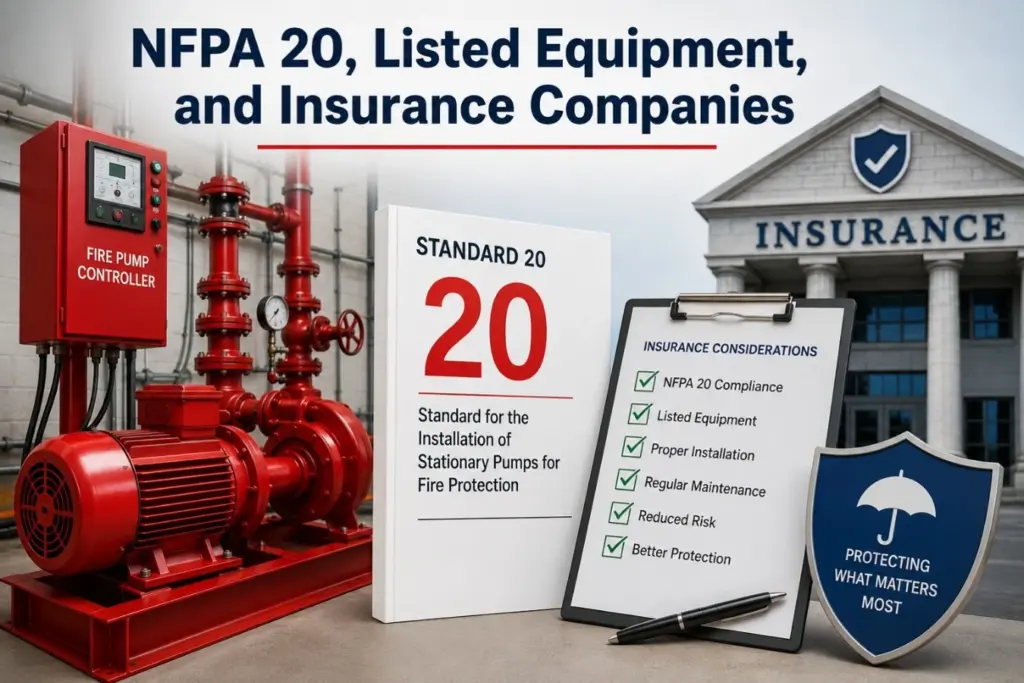
NFPA 20 mandates that specific fire pump system components—such as the pumps, controllers, and engines—must be “listed.” “Listed” refers to equipment that has been evaluated by a recognized product evaluation organization (like UL or FM Approvals) and found suitable for fire pump service. This listing certifies that the product meets designated performance standards and is maintained through periodic evaluation or inspection.
According to NFPA 20, the listing must specifically reference “Fire Pump(s)” or “Fire Pump Service” to ensure suitability for the application. It is important to recognize that “listed” status is distinct from “approved” status; while “approved” means the equipment is acceptable to the authority having jurisdiction (AHJ), “listed” means it has undergone third-party laboratory testing for the designated use.
The authority having jurisdiction (AHJ) often includes not just municipal officials or fire marshals but also representatives from insurance companies. On many construction projects, these insurance representatives may play a significant role in the plan review, acceptance process, and imposition of additional requirements that go beyond the baseline of NFPA 20.
For instance, some insurance companies set stricter limits for fire pump sizing (for example, capping system demand at 120% of rated capacity versus the NFPA 20 guideline of 90%–140%) to maximize system reliability and insurability. Insurance authorities also may require additional documentation, witness testing, or even specific installation practices—such as requiring separate pump rooms for redundancy—on top of those outlined in NFPA 20.
Maintaining listed and approved status is critical: while controllers and pumps are generally both UL listed and FM approved, any optional features or modifications requested during the order process may void a product’s listing or approval. For this reason, designers and purchasers should communicate directly with equipment manufacturers to verify that all features meet UL, FM, and specific insurance requirements.
Insurance companies may further require factory test data sheets, documentation, or witness testing for final underwriting approval. As a result, it is essential for the registered design professional or project engineer to coordinate early and often with all relevant AHJs, including insurance representatives, to ensure that the system will remain in full compliance, maintain its listed status, and be insurable both at acceptance and in ongoing operation.
In summary, the relationship between NFPA 20, listed equipment, and insurance companies is highly interconnected. Insurance companies use NFPA 20 as a baseline for equipment suitability but may add their own requirements. Listed equipment provides assurance for both code enforcement and insurance underwriting, making coordination between all parties—especially when selecting, specifying, or altering listed components, crucially important for system acceptance and long-term risk management compliance.
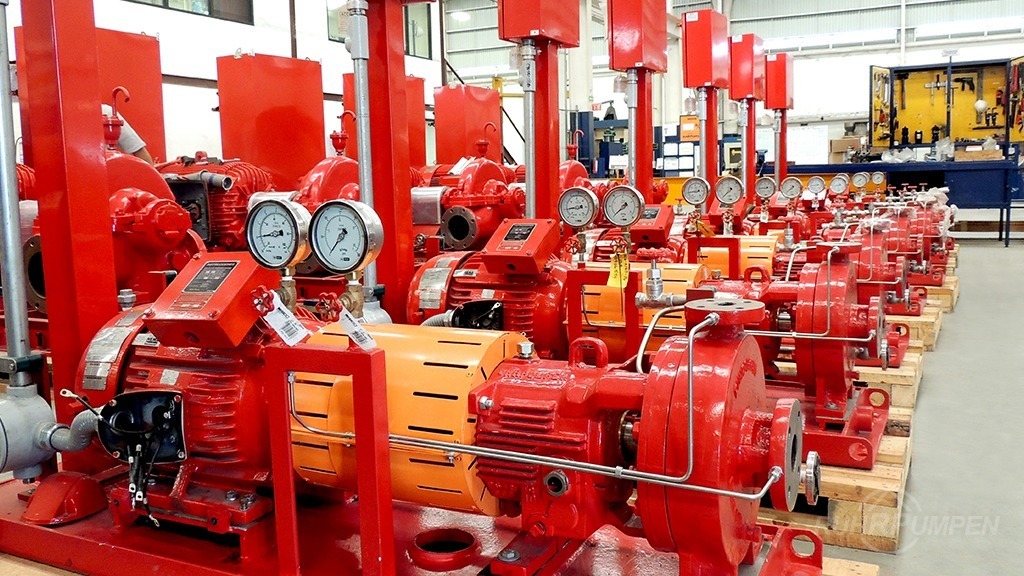
If you have questions about your fire system or need assistance, please contact your closest Ruhrpumpen’s sales office for more information.