
Fire Campus
When it comes to fire pump reliability, what you record is just as important as what you maintain. According to NFPA 20 Annex C, proper data recording isn’t just paperwork—it’s a powerful tool for ensuring performance, compliance, and long-term system health.
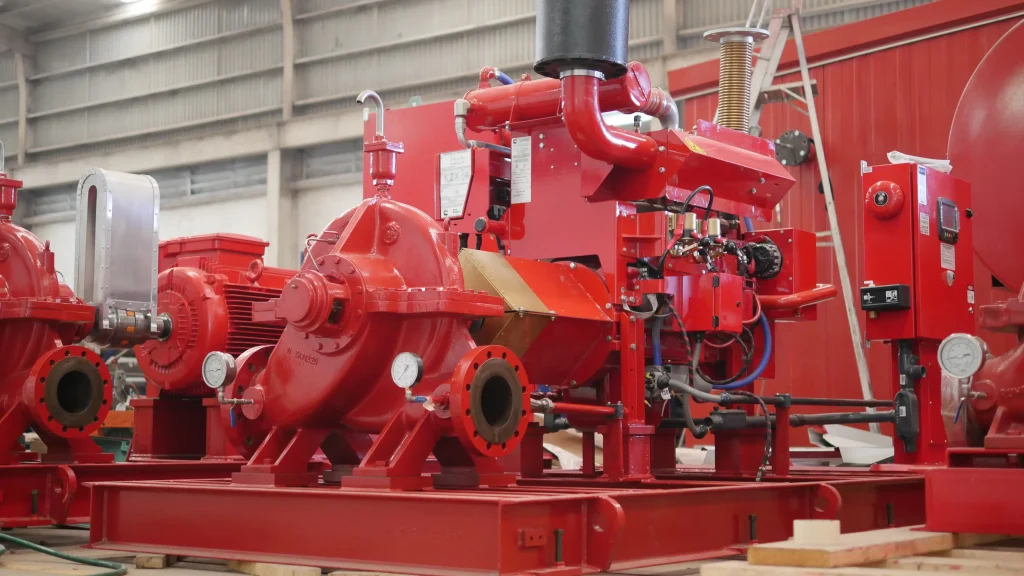
Annex C emphasizes the importance of keeping clear, consistent, and retrievable records of all inspections, tests, maintenance, and repairs. Every pump start, stop, or fault should be logged, along with maintenance activities, test results, and key performance parameters. This level of detail allows teams to quickly identify issues, analyze trends, and prove compliance when it matters most.
But it’s not just about collecting data—it’s about how you organize it. NFPA 20 recommends using standardized formats and structured logs, making it easier for facility managers, service providers, and AHJs to review and interpret information. Consistency in data recording improves troubleshooting and ensures nothing gets overlooked.
Another key takeaway: don’t stop at the fire pump. Annex C encourages monitoring of the entire system, including jockey pumps, controllers, valves, and other critical components in the pump room. A fire pump system is only as reliable as its weakest link.
Finally, accessibility is critical. Maintenance logs, event histories, and performance data should be readily available for audits, inspections, and insurance reviews. Well-documented systems not only perform better—they’re easier to validate and defend.
Bottom line: Strong data recording practices transform maintenance from reactive to proactive. By following NFPA 20 Annex C guidelines, you’re not just keeping records—you’re building a more reliable, compliant, and resilient fire protection system.